x
s h r o t

Reader's Cafe: A Modern Literary Retreat in Connaught Place

Reader's Cafe:

Connaught Place, New Delhi

Reader's Cafe: A Modern Literary Retreat in Connaught Place

The "Reader's Cafe" in Connaught Place is envisioned as a contemporary urban haven, meticulously designed to offer a sophisticated yet comfortable environment for patrons to read, work, socialize, and enjoy refreshments. The interior concept blends modern aesthetics with elements that foster a relaxed and intellectually stimulating atmosphere, characteristic of a high-end cafe or lounge.

Architectural Elements

The "Stone Age" project draws its inspiration from the rugged beauty of the mountains, integrating local materials and traditional forms with modern amenities and a sophisticated aesthetic.


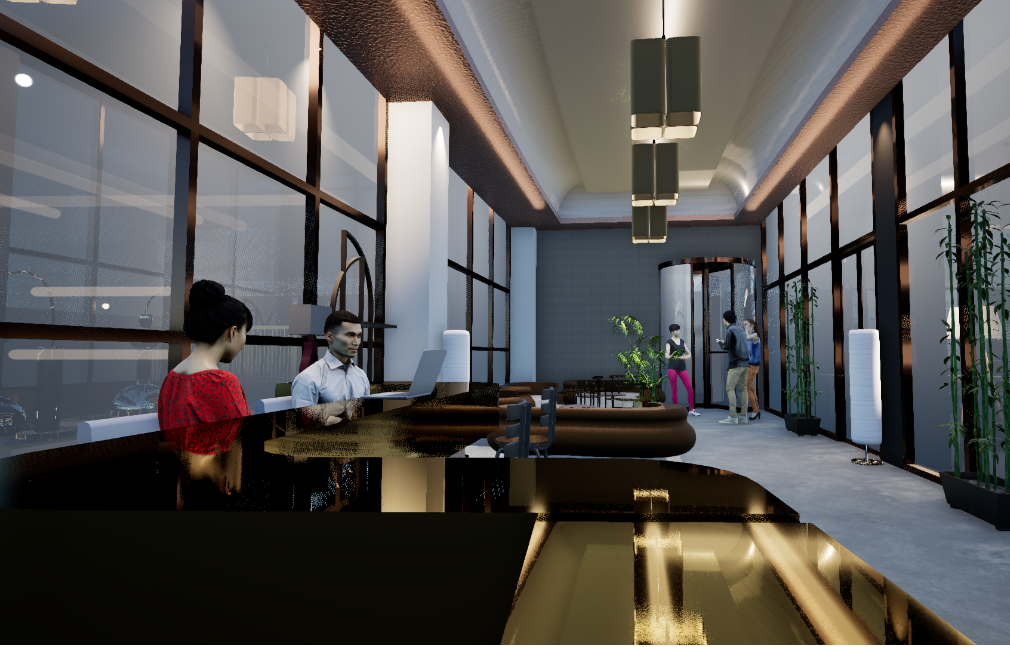
  • Expansive Glazing and Natural Light Integration: A defining feature is the extensive use of floor-to-ceiling glass walls with prominent dark framing (Image 1, 2, 4, 5, 6, 7, 8, 9, 35). These large windows not only maximize the penetration of natural light, creating a bright and airy ambiance, but also provide visual connection to the bustling activity outside, typical of a central location like C.P. They serve as a transparent boundary, inviting views in and out.

  • Layered and Textured Ceiling Design: The ceiling is a significant architectural feature, incorporating multiple layers and textures. A central, lighter-toned, and possibly vaulted or curved section is flanked by textured panels in a warm, coppery or bronze hue (Image 1, 2, 5, 6, 7, 8). This combination adds depth, visual interest, and a touch of luxury to the overhead space.

  • Strategic Lighting Design: The illumination is thoughtfully planned, combining functional and aesthetic elements. Recessed spotlights provide general ambient light and highlight vertical surfaces, while striking rectangular pendant lights with a metallic finish (Image 1, 2, 5, 6, 7, 8) act as focal points, drawing the eye and defining specific zones, especially over the main seating areas and counter.

  • Minimalist Vertical Elements: White, rectangular columns (Image 5, 6, 7, 8) and slender dark mullions frame the glass panels, providing structural integrity while maintaining an open and unobstructed feel. These elements contribute to the clean lines of the contemporary design.

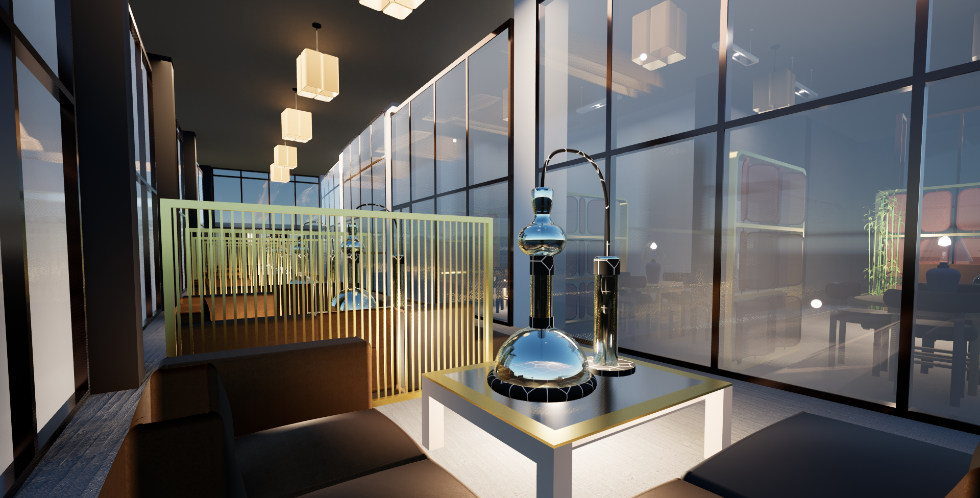
  • Fluid Counter and Furniture Forms: The reception or bar counter is characterized by its dynamic, curved, and undulating form, often featuring a glossy, reflective surface (Image 1, 2, 3, 5, 6, 7, 9). This organic shape is echoed in the plush, curved seating arrangements, which are upholstered in rich brown with contrasting white interiors (Image 1, 2, 3, 4, 8). These fluid forms introduce softness and dynamism into the space.

  • Columnar Floor Lamps: Tall, cylindrical white floor lamps (Image 1, 2, 8) are strategically placed, serving as both ambient light sources and subtle vertical accents that complement the modern aesthetic.

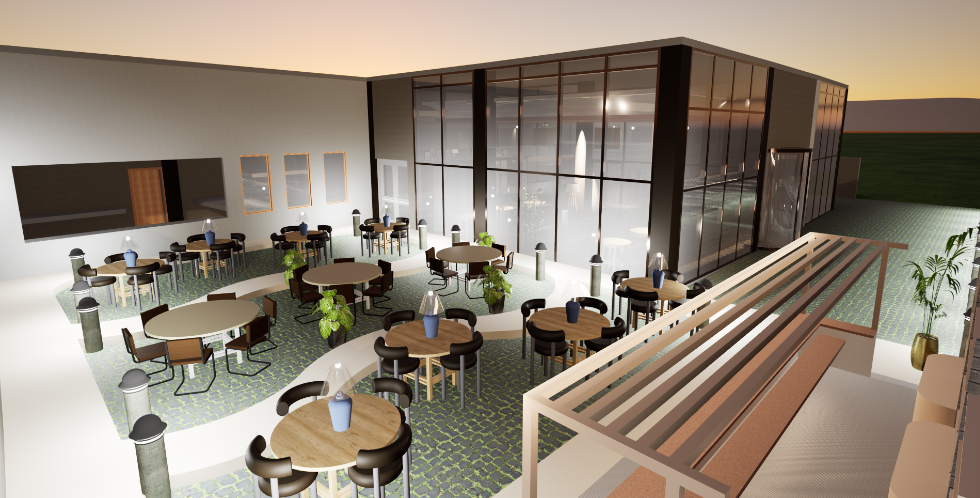
  • Diverse Table Designs: The cafe features a variety of table styles, including unique, multi-level circular tables with varying finishes (gold, dark wood) and slender black bases (Image 1, 2, 3, 4, 8). There are also more traditional circular dining tables with dark chairs in the dedicated dining area (Image 35), catering to different customer needs.

  • Revolving Glass Entry Door: A modern revolving glass door (Image 5, 6, 7, 8, 9) at the main entrance adds a touch of contemporary sophistication and helps regulate interior climate.

  • In essence, "Stone Age" in Mukteshwar is more than just a collection of buildings; it's a carefully crafted experience. It embodies a design philosophy that respects and enhances its natural setting, offering residents and visitors a unique blend of rugged elegance, comfort, and an immersive connection to the breathtaking beauty of the Himalayas.
Design Philosophies

  • Contemporary Comfort & Sophistication: The core philosophy is to create a modern and upscale environment that prioritizes comfort. The selection of materials, lighting, and furniture aims for a polished and sophisticated look, while the soft seating ensures a welcoming and relaxing experience.

  • Blurring Indoor-Outdoor Boundaries: The extensive glass facade is central to this philosophy, allowing a seamless visual connection with the outside. This brings the vibrancy of C.P. into the cafe while offering patrons a clear view of the urban landscape.

  • Biophilic Integration for Serenity: The inclusion of tall potted bamboo plants (Image 1, 2, 9) and other lush greenery (Image 4, 7, 35) is a deliberate choice to introduce natural elements. This biophilic design approach aims to enhance well-being, reduce stress, and create a more serene and refreshing atmosphere within the urban setting.

  • Zoning and Functionality: The layout is intelligently zoned to accommodate various activities. The curved counter likely serves as a reception/bar area, while the clusters of soft seating with coffee tables are ideal for casual lounging and reading. The separate area with round tables and chairs (Image 35) suggests a dedicated space for dining or more focused work. Lighting and furniture arrangements are used to delineate these zones effectively.

  • Tactile and Visual Richness: The design employs a rich material palette that engages both visually and tactually. The smooth glass, textured ceiling, glossy counter, plush upholstery, and various table finishes create a dynamic sensory experience. The subtle interplay of light and shadow further enhances this richness.

  • Harmonious Color Palette: The color scheme is sophisticated, relying on a foundation of warm browns, coppery tones, and crisp whites/grays, accented by the deep green of the plants and subtle hints of gold or brass. This palette creates a harmonious and inviting environment.

  • Curated Aesthetic: Each element, from the distinctive pendant lights to the unique table shapes, appears to be carefully curated to contribute to an overall cohesive and elevated aesthetic, reflecting a high level of design intent.
Go To Top